
The criminal justice system is a complex framework designed to maintain law and order, protect citizens, and uphold justice. This article delves into the 15 essential steps in this process, offering a comprehensive guide.
Steps of the Criminal Justice Process
Crime Occurrence
The process begins with the commission of a crime. Law enforcement becomes involved when a criminal act is reported or observed.
Investigation
Police investigate the crime, gathering evidence, interviewing witnesses, and compiling information to identify a suspect.
Arrest
If sufficient evidence is found, the police arrest the suspect. This step involves reading the Miranda rights and taking the suspect into custody.
Charging
The prosecutor reviews the evidence and decides whether to file formal charges and what those charges should be.
Initial Appearance
The suspect makes their first court appearance, where the charges are read, and bail is considered.
Preliminary Hearing
A preliminary hearing, also known as a preliminary examination or probable cause hearing, is a critical stage in the criminal justice process, typically occurring after a defendant has been charged with a crime but before the trial.
Indictment/Information
For serious crimes, a grand jury may issue an indictment. Alternatively, the prosecutor files an information statement to formally charge the suspect.
Arraignment
An arraignment is a court proceeding in which a defendant is formally charged with a crime, informed of their rights, and asked to enter a plea (such as guilty, not guilty, or no contest). It often includes discussions about legal representation and bail.
Plea Bargaining
Many cases are resolved through plea bargains, where the defendant pleads guilty in exchange for a reduced sentence or charges.
Pre-trial Motions
Pre-trial motions are critical steps in the legal process that occur before a trial begins. These motions are requests made by the defense or the prosecution to the court, seeking a ruling on particular issues that might affect the trial.
Trial
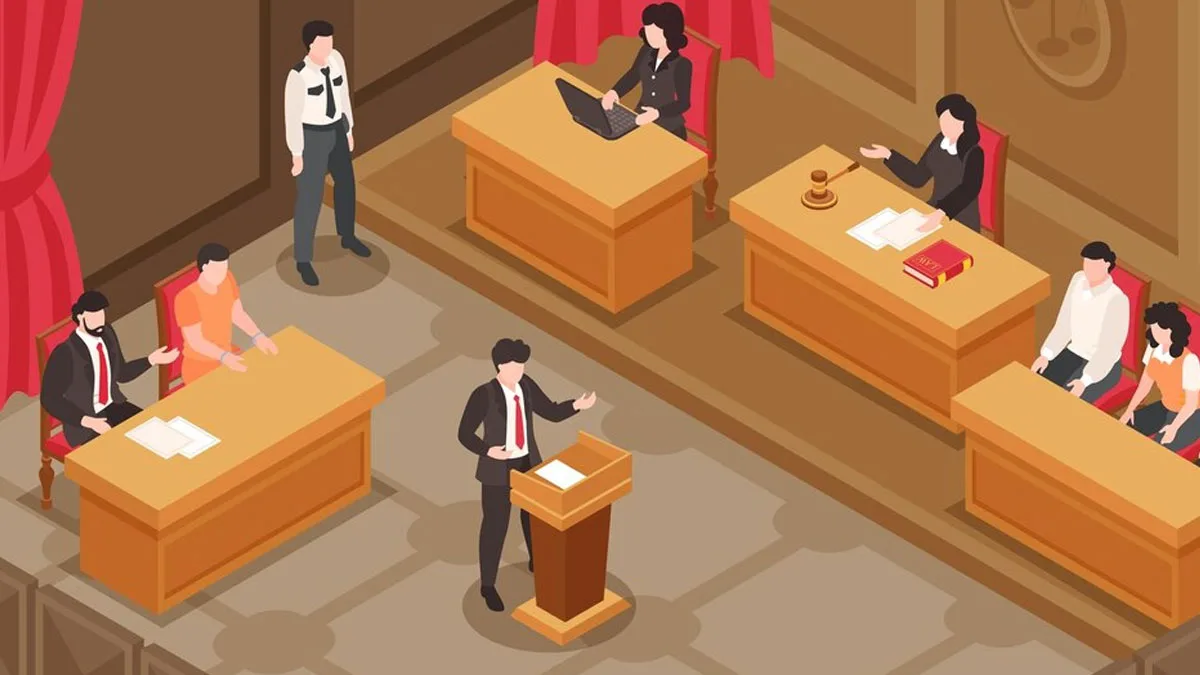
If the case proceeds to trial, both the prosecution and defense present their arguments to a judge or jury.
Verdict
The judge or jury deliberates and then issues a verdict of guilty or not guilty.
Sentencing
If the defendant is found guilty, the judge imposes a sentence based on legal guidelines and specifics of the case.
Appeal
The defendant can appeal the verdict or sentence, seeking a review by a higher court.
Corrections
If sentenced to jail or prison, the defendant enters the correctional system. Post-release, parole and reintegration support may be provided.
What step in the adult criminal justice process determines guilt or innocence?
In the adult criminal justice process, the step that determines guilt or innocence is the trial. During the trial, both the prosecution and the defense present their arguments and evidence to a judge or jury, who then deliberate and reach a verdict. The verdict is where guilt or innocence is officially determined.





Leave a Reply